Molina and his mother’s relationship
Kiss of the Spider WomanMolina and his mother’s relationship is organized around a promise: he has wanted to leave prison chiefly so that he can care for her, and when that wish is granted, he accepts the duty even as he questions what it costs him. His devotion is neither an uncomplicated resolution nor a claim that his own needs have disappeared. At the moment of release, he is caught between a mother whose health and care are his responsibility and the fear that, once again, his own life will have to wait.
Obligation and the prospect of release
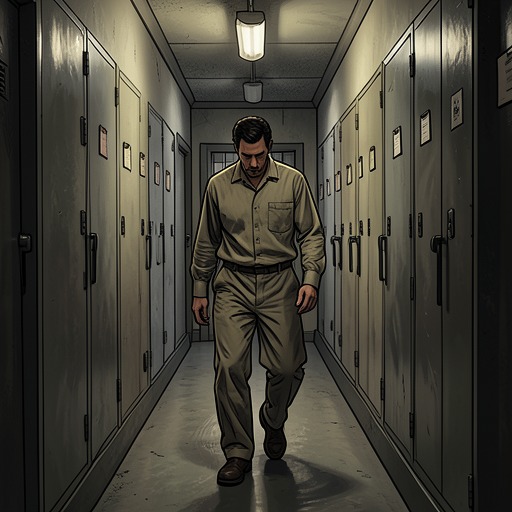
Molina explains that getting out matters to him mostly because of his mother’s health. His concern is practical and immediate: he worries that nobody will be there to care for Valentin if he leaves. Asked whether he thinks about himself, he answers no. In this exchange, responsibility appears first as an outward-looking habit. Even the prospect of freedom is measured by whom he can look after, and by the person he fears he will leave behind.
Later, Molina connects this concern to a promise he may have made to God, despite not being a believer. He had asked for release above all so he could take care of his mother, and had been willing to sacrifice anything else to achieve that. Her care is therefore more than a duty imposed by circumstance: it is the purpose he has given his wish to leave prison. The fulfillment of that wish brings relief, but it also removes the excuse of waiting. He now has to reckon with what he chose to place first.
Care, illness, and intimacy in prison
Molina’s attention to care is also visible in his relationship with Valentin. When Valentin’s illness makes an ordinary shower unsafe, Molina proposes heating water and helping him wash with towels. After another episode, Molina reassures him that he can clean him up, uses a damp piece of clean sheet, and guides him through the task. These acts are described as practical assistance, but they also establish a form of intimacy built through patience, trust, and attention to another person’s vulnerability.
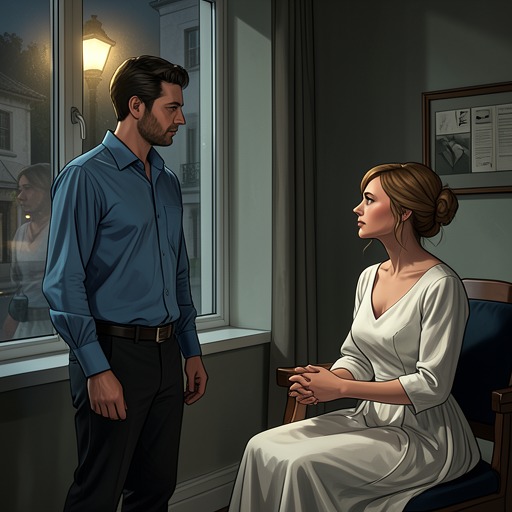
That care helps explain why release is emotionally difficult even when it is the outcome Molina has wanted. He tells Valentin that leaving him alone hurts, and later admits that he wants to stay with him. Valentin encourages him to be glad he will see his mother again and care for her. The two attachments are not presented as interchangeable: his concern for Valentin makes departure painful, while his obligation to his mother gives departure its purpose. The tension is not simply between prison and freedom, but between people Molina feels responsible for and the life he has scarcely claimed for himself.
The cost of putting others first
Molina does not treat filial responsibility as proof that his own needs have been satisfied. He reflects that his mother has already had a life, with a husband and a son, and is now old; he asks when his own life will begin and when he will have something for himself. The question exposes the cost of a devotion that can be morally generous and personally diminishing at once. He does not deny that his mother is alive or that she needs him. Instead, he puts that obligation beside his sense that his own chance at a life of his own has not arrived.
Valentin answers by urging him to adjust to his circumstances: he has been lucky to get out, and outside prison he can begin again. Molina’s response is that, at that moment, all he wants is to remain with Valentin. The exchange leaves no simple reconciliation. The promise to care for his mother remains the reason he sought release, while the wish to stay with Valentin reveals an attachment that release will interrupt. His mother’s importance does not cancel his other bonds, and his other bonds do not erase the responsibility he has chosen.
Family life after prison
The surveillance report gives the first concrete view of Molina returning to family obligations. On his first day home, he telephones Aunt Lola and speaks at length, with the conversation focused especially on his mother’s health problems and Lola’s inability to look after her because of her own illnesses. The call makes clear that care is not an abstract intention: the family’s circumstances leave a practical need that Molina expects to meet. His mother’s condition shapes his conversations from the outset of his release.
The following Sunday, Molina leaves home with his mother and aunt to visit a relative at a house on Calle Dean Funes. The report records the three travelling together by taxi and being welcomed at the house; they return in a Fiat 600 later that afternoon. These details show Molina re-entering ordinary family routines alongside the responsibility he had described in prison. The outing is not evidence that the difficulties have been resolved, but it gives the obligation a lived setting: his mother is with him, relatives are involved, and care is part of the arrangement of his days.
Meaning of the relationship
Molina’s relationship with his mother joins devotion to a persistent question about selfhood. He has made her care the highest condition of his hoped-for freedom, yet he can also see that his own life has been postponed in the process. The novel preserves both truths rather than converting sacrifice into uncomplicated virtue or resentment into rejection. His wish to care for his mother is sincere; so is his longing for something that belongs to him.
The return home places that contradiction in view. Release gives Molina the opportunity he asked for, and family contact confirms that his mother’s needs remain central. At the same time, the prison conversations leave him aware of the attachments and desires that do not disappear when he takes up that responsibility. The relationship therefore marks both the purpose of his freedom and its unresolved limit: he can begin again outside prison, but he must still ask when the life he has set aside will begin.